
Recognizing the Signs: When Wounds Require Professional Care
Wound healing is a complex process that the body initiates in response to injury. Understanding this process can empower individuals to manage their wounds better and recognize when to seek professional care. This knowledge is particularly crucial for those managing wounds at home, as it ensures timely intervention and prevents complications.
The Basics of Wound Healing
Understanding Your Body’s Natural Healing Process
The wound healing journey comprises several stages, each crucial to restoring skin integrity and underlying tissues. These stages include:
- Hemostasis: The body’s immediate response to stop bleeding through blood clot formation.
- Inflammatory: A phase marked by redness and swelling as the body’s immune system cleans the wound.
- Proliferative: During this stage, the body begins to fill the wound with new tissues and blood vessels.
- Maturation: The final stage where the new tissue strengthens and matures.
Factors such as age, nutrition, and overall health significantly influence the body’s ability to navigate these stages effectively. Younger individuals heal faster due to more robust cell regeneration capabilities. Nutrition plays a pivotal role by providing the necessary building blocks for repair, while underlying health conditions can impede healing.
Common Types of Wounds and Their Typical Healing Times
Wounds vary widely, from cuts and scrapes to burns and puncture wounds. Under optimal conditions, each type has a typical healing timeline. For example, minor cuts may heal within a week, while deeper burns could require months. It’s essential to monitor these timelines and be alert to warning signs that healing is not proceeding as expected.
Signs That Your Wound Is Not Healing Properly
Persistent Pain Beyond Normal Healing Time
While some pain is normal during the initial healing stages, it should gradually subside. Persistent or increasing pain may indicate a complication, such as infection or underlying damage not visible on the surface. Listening to your body and responding to abnormal pain levels is crucial.
Unusual Changes in Wound Color and Size
Observing your wound for changes in color and size is key to assessing its healing progress. Darkening edges or an enlarging wound area can signal infection or poor healing. Such changes warrant professional evaluation to determine the cause and appropriate intervention.
Signs of Infection: Redness, Warmth, and Discharge
Infection is a common complication that can derail the healing process. Early signs include increased redness, warmth around the wound, and the presence of discharge. These symptoms suggest that the body’s immune response is overwhelmed and requires external assistance to combat the infection effectively.
Seeking Professional Wound Care: The Crucial Decision
Identifying the Right Time for Professional Intervention
Assessing the Severity of Your Wound
Wound care is a delicate balance between attentive self-management and recognizing when to seek professional help. Guidelines for evaluating wound depth, size, and infection risk are paramount to ensure you’re not underestimating your condition. A wound’s depth and size are critical factors; deep or wide wounds often cannot heal properly with just home care and may require professional intervention to prevent complications. Moreover, the risk of infection significantly increases with the wound’s severity. Key indicators such as prolonged bleeding, deep punctures, or visible debris are signs that professional care may be necessary.
When DIY care isn’t enough: Recognizing the need for help is a crucial step in your healing journey. Persistent pain, increasing redness, or swelling around the wound area are signs that your body struggles to heal independently. If you notice any of these symptoms, or if the wound does not start to heal within a few days, it’s time to consult a wound care specialist.
Understanding the Risks of Delaying Professional Care
Delaying professional care can lead to severe consequences, including the risk of infection, which can spread to other parts of the body and become life-threatening. The consequences of waiting too long for wound treatment can extend far beyond the wound, affecting your overall health and well-being. Early intervention by a professional can prevent these complications, ensuring a smoother and faster healing process.
How early professional intervention can prevent complications is clear; specialized wound care practitioners can assess and treat your wound with the most appropriate methods, preventing infections and promoting effective healing. Timely care ensures that minor issues can be addressed before they escalate into serious problems, safeguarding your health in the long term.
The Role of Professional Wound Care Specialists
What to Expect from a Wound Care Professional
Upon deciding to seek help, knowing what to expect from a wound care professional can ease any concerns you might have. The assessment and treatment process in professional wound care begins with thoroughly evaluating your wound, considering factors like size, depth, and signs of infection. This assessment is crucial for developing a tailored treatment plan that may include cleaning, debridement, dressing, and possibly prescribing antibiotics or other medications.
Innovative treatments and technologies in wound management have significantly advanced, offering new hope and options for patients with complex wounds. Wound care specialists have the latest knowledge and tools to apply today’s most effective treatments.
Advanced Treatments Available in Professional Wound Care
Exploring advanced treatments available in professional wound care reveals a range of cutting-edge options for patients. Examples of cutting-edge wound care options include hyperbaric oxygen therapy, which enhances the body’s natural healing processes by inhaling 100% oxygen in a pressurized chamber; skin grafts, for wounds that are unable to heal on their own; and growth factor therapy, which involves applying substances to stimulate cells to promote healing.
The benefits of specialized care for chronic or complex wounds cannot be overstated. Such treatments address the immediate issue and consider the patient’s overall health and long-term well-being. Consulting a wound care specialist is an essential step towards recovery, ensuring you receive the most advanced and appropriate care for your situation.
The Impact of Underlying Health Conditions on Wound Healing
Health conditions can significantly impact a person’s ability to heal wounds. Diabetes and circulatory problems stand out due to their direct influence on wound healing processes. Understanding these effects is crucial for effective wound management and prevention of complications.
Diabetes and Wound Healing Complications
Why Diabetics Need to Be Extra Cautious
Diabetes affects the body in several ways that can complicate wound healing. Two major concerns are impaired blood flow and nerve damage. Impaired blood flow reduces the efficiency of healing nutrients and oxygen delivered to the wound site. Nerve damage, or neuropathy, can lead to a reduced pain sensation, meaning injuries may go unnoticed and untreated for longer than they should. These factors make wounds in diabetic individuals more susceptible to infection and slower to heal.
- Strategies for Effective Wound Management in Diabetics:
- Regular inspection of feet and other injury-prone areas to catch wounds early.
- Maintaining blood glucose levels within target ranges to support the healing process.
- Immediate cleansing and proper care of any wounds, followed by professional medical evaluation.
Special Considerations for Diabetic Wound Care
Diabetic wound care requires more than the standard approach. The importance of regular monitoring and professional guidance cannot be overstated. A healthcare professional specialized in diabetic wound care can offer advice tailored to an individual’s specific health profile.
- Customized Care Plans: Balancing Glucose Levels and Wound Healing:
- Implement a diabetic wound care plan that includes diet, medication, and lifestyle adjustments to maintain optimal blood sugar levels.
- Use advanced wound care materials and technologies that promote healing in diabetic wounds.
Circulatory Problems and Their Effect on Wound Healing
How Poor Circulation Complicates Wound Healing
Circulatory problems, such as peripheral artery disease (PAD), can severely impact wound healing. The link between vascular health and wound repair is fundamental. Good blood circulation is essential for delivering oxygen and nutrients to the wound site, and when circulation is compromised, wounds heal more slowly and are more prone to infection.
- Recognizing Symptoms of Compromised Circulation:
- Swelling, coldness, or color changes in the extremities.
- Pain when walking or at rest in the lower limbs.
- Sores on the feet or legs that heal slowly or not at all.
Indicators That Circulation Issues Are Affecting Your Wound
Recognizing the signs of poor circulation early can be the key to preventing serious complications. Cold extremities, delayed healing, and increased risk of infection indicate that circulatory problems may affect your wound.
- When to Seek Vascular Specialist Intervention:
- Presence of non-healing wounds, especially on the lower limbs.
- Symptoms of PAD or other circulatory issues alongside a wound.
- A history of vascular problems and current wound-healing difficulties.
Preventing Wounds from Getting Out of Control
Prevention and proper management are key to ensuring wounds heal effectively and don’t escalate into more severe conditions. Here, we’ll explore essential wound care tips for at-home management and the crucial role of a healthy lifestyle in wound healing.
Essential Wound Care Tips for At-Home Management
Keeping the Wound Clean and Protected
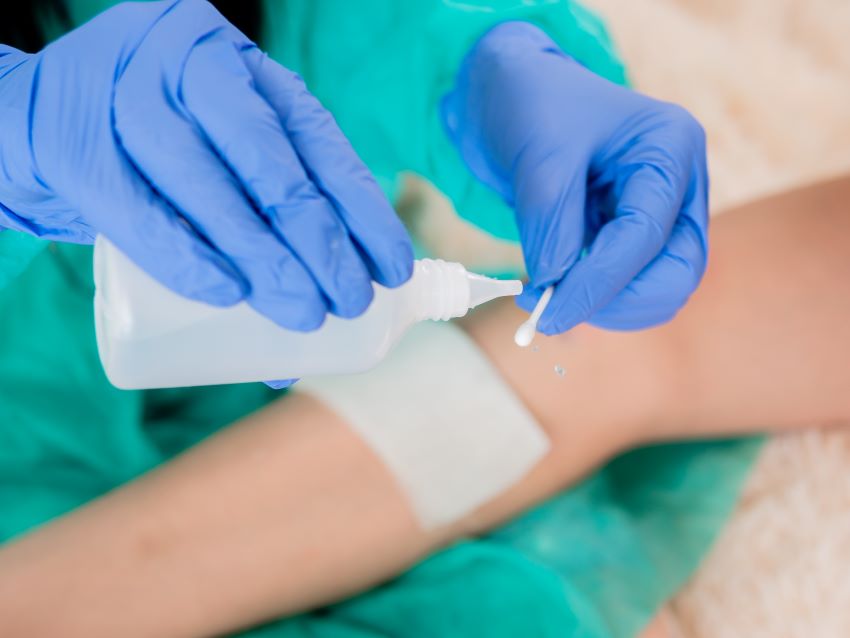
Keeping the wound clean and protected is a fundamental step in preventing wound infection and promoting healing. Here’s a step-by-step guide on proper wound cleaning and dressing:
- Wash your hands thoroughly with soap and water before touching the wound or dressing.
- Gently clean the wound with mild soap and water or a saline solution. Avoid harsh chemicals like hydrogen peroxide or iodine, as they can damage the tissue and delay healing.
- Pat the wound dry with a clean towel or sterile gauze, taking care not to rub the area.
- Apply a thin layer of antibiotic ointment to prevent infection unless your healthcare provider has advised otherwise.
- Cover the wound with a sterile dressing or bandage. The dressing should be large enough to cover the entire wound and surrounding area.
The role of hygiene in preventing infection cannot be overstated. A clean wound environment is less likely to become infected and is more conducive to healing.
When to Change Dressings and What to Use
Choosing suitable dressing materials and knowing when to change them is vital to wound care at home. Consider the following:
- Select suitable dressing materials: Use non-stick gauze for minor cuts and scrapes. For more significant wounds, hydrocolloid dressings can provide a moist environment that promotes healing. Consult a wound care professional to select the best dressing for your wound type.
- Frequency of dressing changes: Typically, dressings should be changed daily or whenever they become wet or dirty. However, some advanced dressings can stay on for longer. Follow the instructions provided by your healthcare provider or the dressing manufacturer.
The Importance of a Healthy Lifestyle in Wound Healing
Nutrition’s Role in Accelerating Wound Healing
Adequate nutrition is crucial for wound healing. Key nutrients and foods that support wound repair include:
- Protein: Essential for cell repair and growth. Include lean meats, poultry, fish, beans, and legumes.
- Vitamin C: Important for collagen production. Citrus fruits, strawberries, bell peppers, and broccoli are excellent sources.
- Zinc: Plays a role in cell division and protein synthesis. Zinc-rich foods include nuts, seeds, dairy, and whole grains.
- Vitamin A: Vitamin A supports cell growth and immune function. It is found in sweet potatoes, carrots, and dark leafy greens.
Supplements and hydration also play a significant role. Ensure you drink enough water, and consider taking a multivitamin supplement if your diet lacks these essential nutrients.
The Benefit of Regular Exercise and Smoking Cessation
Regular exercise improves circulation, vital for delivering oxygen and nutrients to the wound site. Even simple activities like walking can be beneficial. Consult your healthcare provider before starting any new exercise regimen, especially if you have a significant wound or underlying health conditions.
Smoking negatively impacts wound healing, as it impedes blood flow and oxygen delivery to the wound. Quitting smoking is one of the best steps you can take to enhance your body’s ability to heal. Many resources are available to help with smoking cessation, including support groups, counseling, and medication.